Ghorepani Poon Hill Trek - 2 Nights / 3 Days
2.jpg)
About this trip
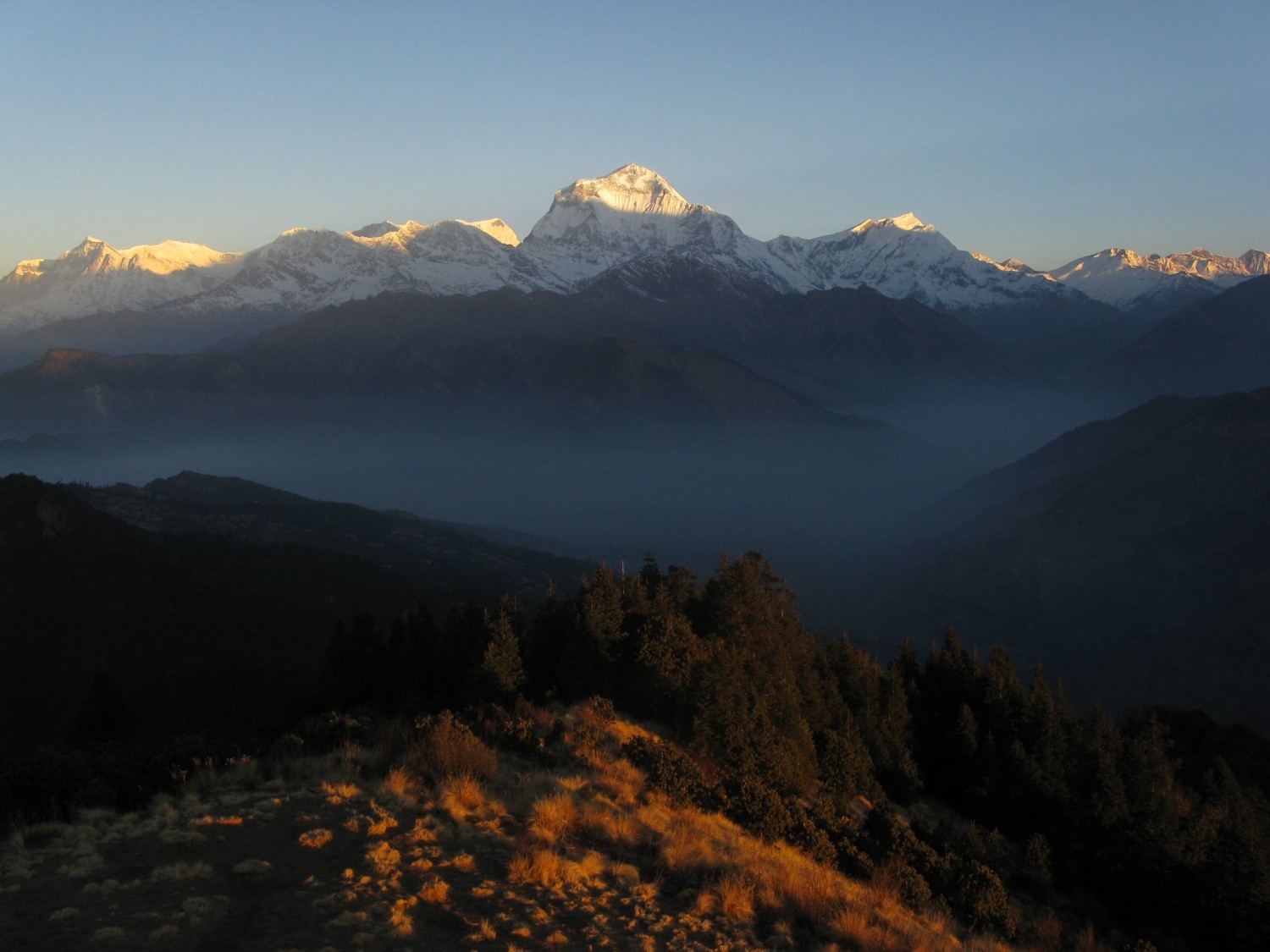
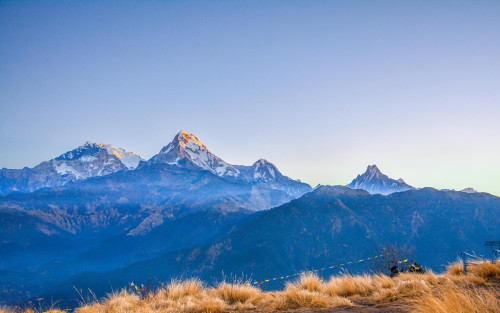
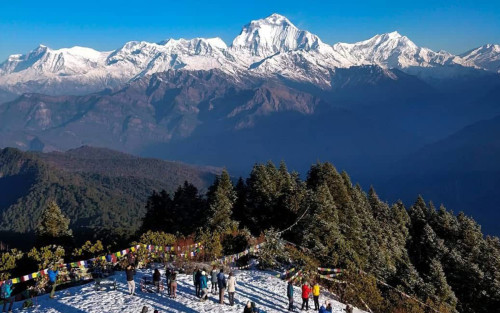
Experience the most celebrated sunrise viewpoint in the Annapurna region on this perfect short trek from Pokhara. The Ghorepani Poon Hill Trek (2N/3D) delivers jaw-dropping 360-degree panoramas of Dhaulagiri, Annapurna South, Hiunchuli, and Machapuchare, without requiring weeks of vacation time or extreme physical conditioning.
Whether you are a first-time trekker, a family explorer, or a seasoned hiker squeezed for time, this 3-day Poon Hill trek is Nepal's most rewarding short adventure. Book with Trip Pokhara and let our experienced local guides take care of every detail while you soak in the magic of the Himalayas.
Overview - What Is the Ghorepani Poon Hill Trek?
The Ghorepani Poon Hill Trek is a definitive 3-day mountain loop located inside the protected boundaries of the Annapurna Conservation Area. Starting from the bustling trailhead of Nayapul (a scenic 1.5-hour drive from Pokhara), the trail charts ancient trade routes threading through dense, fairy-like rhododendron forests, manicured agricultural terraces, and authentic ethnic settlements belonging to the Gurung and Magar communities.
The crown jewel of this trek is Poon Hill (3,210 m). On a crisp pre-dawn morning, you will stand at the summit to witness an unforgettable natural spectacle: the sky transforming from deep indigo into a brilliant canopy of fiery amber, orange, and pink as the first rays strike the snow-clad flanks of the Annapurna and Dhaulagiri massifs.
Unlike grueling high-altitude routes, this short trek requires zero technical climbing background, no specialized mountaineering gear, and zero mandatory acclimatization days. It serves as the ultimate introduction to Himalayan trekking for beginners and a timeless classic for returning adventurers who are tight on time.
Ghorepani Poon Hill Trek Highlights
- Iconic Sunrise Panorama: Stand at 3,210 meters for a world-famous unobstructed view over 10+ Himalayan peaks.
- Epic Mountain Close-Ups: Peer directly at Dhaulagiri (8,167 m), Annapurna South, Hiunchuli, and the sacred Machapuchare (Fishtail).
- Rhododendron in Full Bloom: Trek through the largest rhododendron forests in Nepal, turning the hillsides into a sea of red and pink (March–April).
- Immersive Ethnic Culture: Explore the authentic traditions, lifestyle, and unique slate architecture of Ulleri and Ghorepani.
- Streamlined 3-Day Layout: Maximize your vacation time with an ultra-efficient itinerary requiring no acclimatization stops.
- Hearty Teahouse Hospitality: Indulge in warm, fresh, local Nepali cuisine alongside classic Western menu selections.
- Safety-First Logistics: Enjoy peace of mind with all transport, mountain permits, and certified local guides fully arranged by Trip Pokhara.
- Bespoke Group Settings: Travel in small, customized group sizes designed to optimize personal safety and care.
- Seamless Trail Extensions: Effortlessly extend your journey into the Annapurna Base Camp (ABC) or Khopra Ridge circuits.
Why Book Your Poon Hill Adventure with Trip Pokhara?
- True Local Expertise: Our guiding roster features professionals born and raised in the very trail villages you will walk through. They don’t just read maps; they know every teahouse family, hidden view shortcut, and history trail.
- Zero Hidden Charges: The price you lock in is completely inclusive. We offer absolute clarity upfront with no surprises regarding permit hikes, vehicle surcharges, or hidden booking fees.
- Boutique Group Limits: We strictly enforce a maximum cap of 15 travelers per group to preserve a flexible, safe, and personalized environment.
- Elite Safety Standards: Every Trip Pokhara guide holds active government licensing and undergoes continuous wilderness rescue and first-aid training. Our team carries emergency communication modules on every single departure.
- Daily Guaranteed Departures: Whether you join a scheduled small group or request a custom-tailored private family trip, we guarantee your departure dates.
- A Commitment to Sustainability: We proudly run eco-sensitive treks following strict "Leave No Trace" principles. We hire local staff under ethical labor standards and ensure our funds flow directly into mountain communities.
Estimated Budget Breakdown (Independent Estimates)
|
Expense Item |
Cost in USD |
Cost in NPR |
Notes |
|
Certified Guide Service (3 Days) |
USD 90 – USD 120 |
NPR 12,000 – NPR 16,000 |
Mandatory for trail navigation/safety |
|
Professional Porter Support (3 Days) |
USD 60 – USD 80 |
NPR 8,000 – NPR 10,500 |
Shared between 2 hikers (max 20 kg) |
|
ACAP Conservation Entry Permit |
USD 23 |
NPR 3,000 |
Fixed government fee per person |
|
Central TIMS Card Registration |
USD 15 |
NPR 2,000 |
Fixed tourism board fee per person |
|
Mountain Lodging (2 Nights) |
USD 10 – USD 20 |
NPR 1,300 – NPR 2,600 |
Based on standard twin-sharing rooms |
|
Full Trail Food Menu (6 Core Meals) |
USD 30 – USD 50 |
NPR 4,000 – NPR 6,500 |
Standardized teahouse menu items |
|
Private Return Vehicle Travel |
USD 20 – USD 30 |
NPR 2,600 – NPR 4,000 |
Round-trip Pokhara-Nayapul |
|
Trail Amenities (Showers, Charging) |
USD 5 – USD 10 |
NPR 650 – NPR 1,300 |
Estimated out-of-pocket local fees |
|
TOTAL ESTIMATED VALUE |
USD 253 – USD 333 |
NPR 33,550 – NPR 44,900 |
Costs drop per person in a group |
Itinerary
 Food/Meals: Breakfast, Lunch, Dinner
 Accommodation: Tea House
Max Elevation: 850m
Drive Time: Pokhara to Nayapul is roughly 1.5 hours via private vehicle.
Trek Distance: Approximately 11 km.
Walking Time: 4 to 5 hours.
Following an early breakfast at your lakeside hotel in Pokhara, your personal guide and private vehicle will meet you for the scenic journey toward the mountain gateway of Nayapul. As you clear the checkpoints, your boots officially meet the trail.
The trek begins with a gentle path tracking the banks of the roaring Modi Khola river. You will wind past fertile farmlands and rustic rural hamlets, crossing several swinging suspension bridges wrapped in prayer flags before making your lunch stop at Tikhedhunga. From here, you meet the legendary stone stairs of Ulleri.
Taking a deliberate, slow pace, you will ascend the 3,000 stone steps as the valley unfolds below you. By late afternoon, you will stroll into the large Magar village of Ulleri, positioned to catch your first crisp evening mountain views of Annapurna South and Hiunchuli over a hot traditional dinner.
Altitude profile
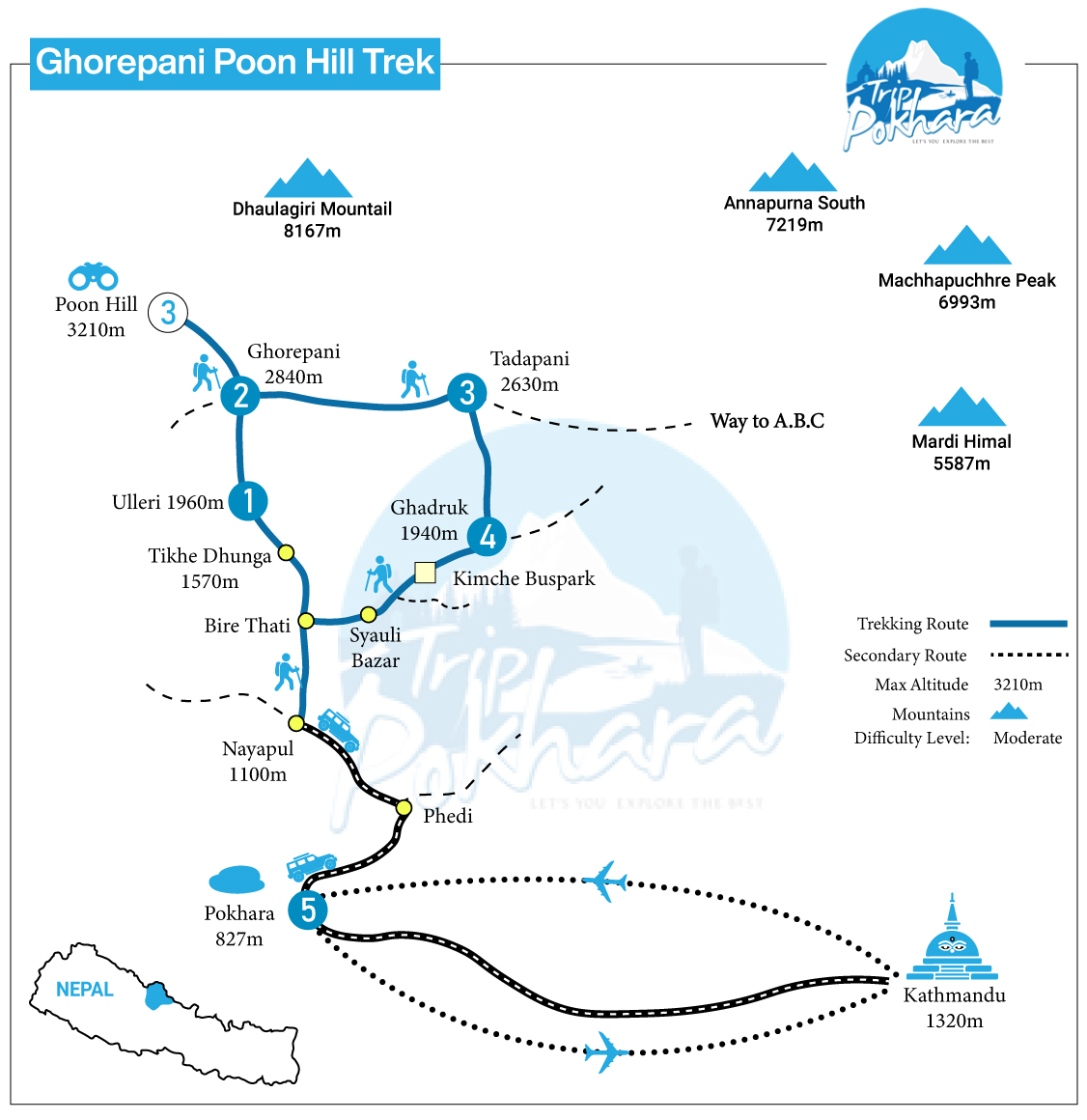
Trip map
Inclusions & exclusions
Included
- All airport / hotel transfers in Pokhara (private vehicle)
- Return transport: Pokhara – Nayapul – Pokhara by private jeep/car
- 2 nights teahouse accommodation on twin-sharing basis
- All meals during trek: Day 1 Lunch + Dinner, Day 2 Breakfast + Lunch + Dinner, Day 3 Breakfast + Lunch
- Government-licensed, experienced English-speaking trekking guide
- Porter service (1 porter for 2 trekkers, up to 10 kg luggage per person)
- Annapurna Conservation Area Permit (ACAP)
- TIMS Card (Trekkers' Information Management System)
- Trekking map and trip briefing
- Emergency evacuation coordination (helicopter cost not included)
- All government taxes and service charges
- Trip Pokhara branded buff / neck gaiter as welcome gift
Not included
- International flights to/from Nepal
- Nepal tourist visa fee (approx. USD 30–50 depending on duration)
- Travel and medical insurance (strongly recommended)
- Personal trekking gear and equipment (see Packing List below)
- Beverages: bottled water, tea/coffee, alcohol, soft drinks
- Hot showers, phone/device charging at teahouses (nominal fee ~NPR 100–200)
- Personal expenses, tips & gratuities for guides and porters
- Any extra meals outside included itinerary
- Helicopter evacuation cost in case of emergency
- Services not mentioned in the inclusions
Important information
1. Clothing & Layering
- Moisture-Wicking Base: 2x high-performance thermal tops and bottoms (synthetic or merino wool).
- Insulating Mid-Layer: 1x premium lightweight fleece top or technical insulating jacket.
- Weather-Proof Outer Shell: 1x breathable, windproof, and waterproof outer jacket.
- Trekking Pants: 2x lightweight, quick-dry trail pants (convertible zip-off options work best).
- Headwear: 1x warm thermal beanie and 1x wide-brim sun hat for daylight exposure.
- Gloves: 1x pair of lightweight thermal liner gloves (essential for the pre-dawn Poon Hill summit climb).
- Socks: 3x pairs of moisture-wicking merino wool or synthetic heavy-duty trekking socks.
2. Footwear
- Trekking Boots: 1x pair of sturdy, high-traction hiking boots featuring rigid ankle support (ensure they are properly broken-in weeks before the trip).
- Camp Sandals: 1x pair of light slip-on shoes or sandals for absolute relaxation inside the teahouses each evening.
3. Essential Gear & Hardware
- Daypack: A 30L to 40L personal backpack equipped with a waterproof rain cover.
- Illumination: 1x high-lumen headlamp with brand new replacement batteries.
- Trail Poles: 1x pair of adjustable trekking poles to protect your joints during steep downhill steps.
- Hydration: 2x heavy-duty reusable water bottles or a 2-liter hydration bladder system.
- Water Purification: UV purification pens or effective water treatment tablets.
- Eye & Skin Care: 1x pair of UV-400 polarized sunglasses, SPF 50+ broad-spectrum sunscreen, and protective lip balm.
4. Personal First Aid & Health Toolkit
- A compact medical kit containing blister pads, ibuprofen, rehydration salts, anti-diarrheal pills, and personal prescriptions.
- Travel hygiene essentials: Alcohol-based hand sanitizers, biodegradable wet wipes, and pocket tissues.
5. Critical Documents & Currency
- Original valid international passport.
- 2x passport-sized headshot photographs for unexpected local permit processing.
- Physical printed copies of your high-altitude travel insurance coverage data.
- Sufficient cash reserves in Nepali Rupees (NPR)—there are no functioning ATMs or credit card machines along the mountain trail.
|
Season |
Months |
Trail Conditions & Experience |
Verdict |
|
Autumn |
October – November |
Crystal-clear skies, highly stable weather, peak mountain visibility. |
Best Choice (Most Popular) |
|
Spring |
March – April |
Comfortable temperatures, moderate daylight, blooming rhododendron forests. |
Excellent Choice (Vibrant) |
|
Winter |
December – February |
Cold nights (below 0°C), empty trails, crisp mornings, potential snow. |
Good (Requires warm layers) |
|
Monsoon |
June – September |
Heavy rainfall, cloudy views, muddy trails, active leeches. |
Not Recommended for beginners |
To enter the protected Annapurna region, you must hold two distinct permits. Trip Pokhara manages all application processing and registration filings for you, all entry permit costs are already bundled directly into your base trip price.
- ACAP (Annapurna Conservation Area Permit): NPR 3,000 (approximately USD 23) per person. This supports the conservation, maintenance, and trail monitoring of the local habitats.
- TIMS Card (Trekkers’ Information Management System): NPR 2,000 (approximately USD 15) per person. A mandatory registration system managed by the Nepal Tourism Board to track and secure the safety of global hikers.
Note: Fees are subject to change by the Nepal Tourism Board. Trip Pokhara will always provide updated permit costs at the time of booking.
1. Understanding Elevation & Acclimatization
While Poon Hill’s summit sits at 3,210 meters, serious cases of Acute Mountain Sickness (AMS) are rare on this specific route. However, minor symptoms like mild headaches or light fatigue can still occur if you push too hard. Protect yourself with our core safety rules:
- Hydrate Constantly: Drink between 3 and 4 liters of clean, purified water every day.
- Pacing: Maintain a steady, relaxed pace and avoid rushing.
- Communicate Early: Inform your Trip Pokhara guide immediately if you experience a headache, dizziness, or sudden nausea.
2. Travel Insurance Requirements
We explicitly require all booked travelers to hold valid travel insurance policies that specifically cover high-altitude trekking (up to 3,500 meters) and emergency helicopter rescue evacuations. In the rare event of a severe medical issue or sudden trail injury, an insurance policy ensures you are fully protected against the unexpected costs of emergency routing.
Mountain teahouses offer a charming, communal way to experience the Himalayas. While they provide comfortable rest, keeping your expectations realistic ensures an enjoyable journey: 1. Your Rooms: Private twin-bedded rooms featuring solid wood frame structures, neat mattresses, clean pillows, and warm blankets. 2. The Restrooms: Typically shared communal facilities. Be prepared to find a mix of traditional Asian squat toilets and standard Western flush styles. 3. Hot Showers: Gas or solar-powered hot showers are readily available at almost all stops for a small local fee. 4. The Dining Hall: The heart of every teahouse. A warm, insulated central room centered around a cozy wood-burning stove, the perfect social hub to share stories with fellow travelers every evening. 5. Power & Connectivity: Standard wall charging ports for phones or cameras are available in common spaces or rooms for a small maintenance fee. 6. Internet Access: Wi-Fi is available in major hubs like Ghorepani and Ghandruk, though speeds fluctuate based on mountain weather. We recommend picking up a local Ncell or Nepal Telecom (NTC) eSIM in Pokhara for the most reliable mobile data coverage.
Trekking burns serious calories, and mountain kitchens are well-equipped to keep you energized. Every lodge features a diverse, standardized menu with freshly prepared options: 1. The Legendary Dal Bhat: The absolute staple of Himalayan trekking. A nutritious, bottomless platter of steamed rice, warm lentil soup, flavorful vegetable curries, and spiced pickles. It is high-energy, completely organic, and comes with free refills! 2. International Variety: Standard menus offer excellent variety, including mountain pasta dishes, hot noodle soups, egg fried rice, fresh vegetable momos (dumplings), and chow mein. 3. Hearty Mountain Breakfasts: Fuel your mornings with warm oats porridge, fluffy pancakes, local Tibetan bread, eggs cooked to your preference, and fresh honey. 4. Altitude Wellness Choices: We highly recommend the freshly prepared garlic soup, a local remedy that helps with natural circulation and acclimatization. 5. Hot Comfort Drinks: Stay warm with aromatic spiced masala tea, fresh ginger lemon honey tea, hot chocolate, and local coffee selections.
Before you can start your trek, you need to reach the lakeside city of Pokhara. You can choose between two main travel options: 1. By Air (Fastest & Most Convenient): Book a short, 25-minute domestic flight from Kathmandu’s Tribhuvan International Airport (KTM) to the Pokhara International Airport (PKR). Daily scheduled flights run regularly via reliable local carriers like Buddha Air and Yeti Airlines. 3. By Road (Scenic & Budget-Friendly): Travel via a comfortable tourist coach or arrange a private car transfer from Kathmandu to Pokhara. The drive takes approximately 6 to 8 hours winding along the Prithvi Highway, tracing beautiful river valleys and terraced green hillsides.
Booking your Himalayan adventure with Trip Pokhara is simple, transparent, and secure: 1. Select Your Package: Head over to trippokhara.com and locate our Ghorepani Poon Hill Trek 2N/3D package page. 2. Submit an Inquiry: Fill out our quick online contact form with your target departure dates, expected group size, and any custom modifications you would like to add. 3. Review Your Custom Quote: Our local travel experts will craft a personalized itinerary and clear cost breakdown, sent straight to your inbox within 24 hours. 4. Confirm Your Reservation: Secure your departure date by placing a 20% advance booking deposit through our secure payment gateway. 5. Receive Your Pre-Trip Kit: Our team will send over your complete trip briefing documentation, a comprehensive packing checklist, and emergency contact details. 6. Meet Your Crew: Your guide will meet you at your Pokhara hotel on the morning of Day 1, and you're ready to hit the trail!
The sweeping ridges of the Annapurnas are waiting for you. From your morning summit push up Poon Hill to relaxing by a warm wood stove in a local teahouse, this 3-day adventure delivers memories that will last a lifetime. Trip Pokhara makes your journey seamless, safe, and truly unforgettable. - Best-Value Packages - Expert Local Guides - Guaranteed Daily Departures - All Permits Handled Visit trippokhara.com to book your trip or reach out to our team directly on WhatsApp to get started!
FAQs
Absolutely. The Poon Hill route is widely considered one of the most beginner-friendly treks in Nepal. You don't need any prior high-altitude trekking experience to complete it successfully. While the stone steps up to Ulleri on Day 1 require a bit of leg strength and patience, our guides maintain a gentle, manageable pace to ensure everyone climbs comfortably.
While the trail is well-marked and solo trekking is technically possible, hiring a licensed guide from Trip Pokhara is highly recommended. A local guide ensures your safety, manages teahouse bookings during peak seasons, handles permit checkpoints seamlessly, and shares deep cultural insights that bring the landscapes to life.
The gold standard seasons are Autumn (October to November) and Spring (March to April). Autumn delivers the crispest, clearest blue skies for perfect mountain photography, while Spring treats you to mild temperatures and hillsides covered in blooming rhododendron flowers.
Temperatures vary by elevation and season. During the peak autumn months, daytime temperatures range from a comfortable 10°C to 15°C, while night temperatures in Ghorepani can drop to around 0°C to 5°C. The pre-dawn summit climb to Poon Hill can feel much colder due to wind chill, so high-quality thermal layers and a windproof jacket are essential.
Yes, it is an exceptional route for family adventures. The manageable daily walking hours and safe altitude profile make it perfect for children aged 8 and older, as well as active seniors. We can easily adjust our itineraries to add extra rest stops for a more relaxed family pace.
You will need Nepali Rupees (NPR). Mountain teahouses do not accept foreign currencies or credit cards, and there are no ATMs along the trail. Make sure to withdraw enough cash from an ATM in Pokhara before heading to the trailhead.
Yes, travel insurance covering trekking is recommended.
Costs vary but typically range between $300 to $600, depending on services and duration.
Yes, travel insurance covering trekking is recommended.
Yes, solo trekking is possible due to the well-marked and popular trails. However, joining a guided group is more enjoyable and informative.
Reviews
Dillim
we booked ghorepani poonhill trek from trip pokhara. its nice management , nice guide . our trip is perfect
Dillim Pokhara, NepalDipson Shrestha
Ghorepani poon hill trek was beautiful. The scenery was outstanding, the hiking and village were fascinating and the people were wonderful. We got a chance to views of Hinchuli, An…
Dipson Shrestha Pokhara, NepalSimilar trips

Tilicho Lake Trek- 6 Days for Himalayan Escape