Khopra Danda Trek - 4 Nights / 5 Days
About this trip
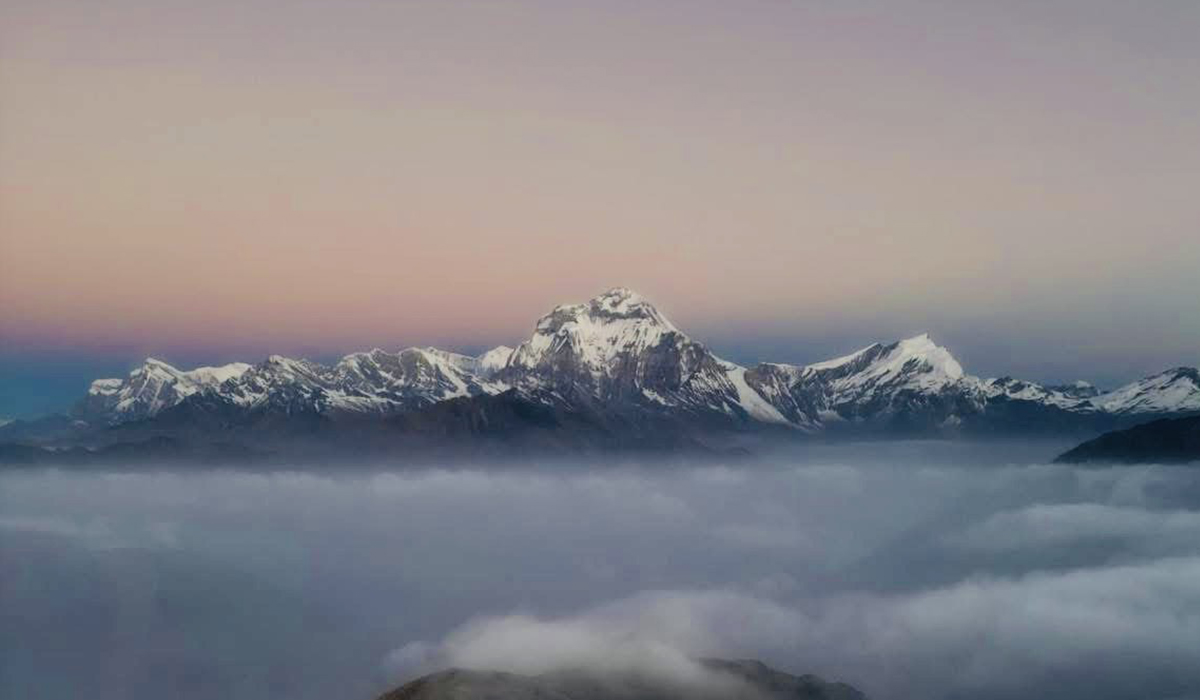
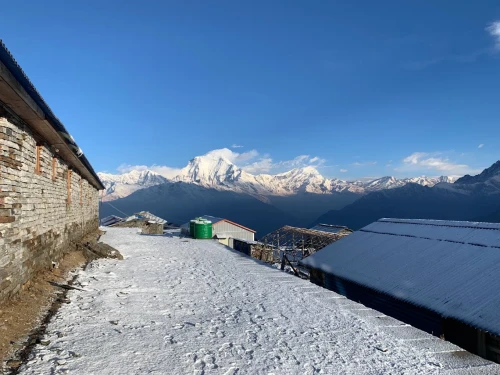
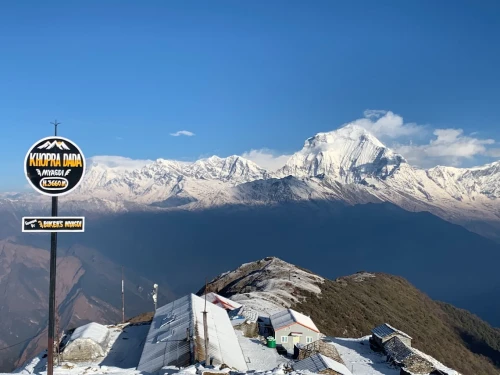
Nepal's best-kept trekking secret awaits you. The Khopra Danda Trek (also called the Khopra Ridge Trek or Khayer Lake Trek) is a 7-day off-the-beaten-path adventure deep in the Annapurna Conservation Area, delivering jaw-dropping panoramas of Dhaulagiri, Annapurna South, Nilgiri, and Machapuchare without the crowds that pack the classic routes.
Topping out at 4,660 metres at the sacred Khayer Lake, this moderate-level trek is ideal for anyone who wants authentic Himalayan culture, pristine rhododendron forests, and some of the finest ridge-top sunrise views in all of western Nepal, all while staying directly in community-run lodges that put money straight into local hands.
Book the Khopra Danda Trek with Trip Pokhara and experience Nepal the way it was meant to be, wild, genuine, and unforgettable.
Overview - What Is the Khopra Danda Trek?
The Khopra Danda Trek is a relatively new but rapidly growing trekking route in the Annapurna region of western Nepal. Sharing the same stunning mountain backdrop as the Annapurna Base Camp and Poon Hill treks, the Khopra Ridge route stands apart for its dramatically lower foot traffic, deeper cultural immersion, and a unique ridge-walk experience that gives you the sensation of walking on the rooftop of the world.
The trek winds through dense forests of rhododendron, oak, bamboo, and pine, habitats rich with Himalayan wildlife including langur monkeys, Himalayan Thars, and Nepal's national bird, the Danphe (Impeyan Pheasant). As you gain altitude, the forest gives way to open ridgelines and high alpine pastures, culminating at the sacred Khayer Lake (4,660 m), a glacial lake of deep spiritual significance for both Hindu and Buddhist communities.
Unlike the better-known routes, the Khopra Danda Trek features community-run lodges at Khopra Ridge, meaning your trekking rupees flow directly into the hands of the local Gurung and Magar communities who maintain the trail, the lodges, and the surrounding conservation area. This is responsible trekking at its finest.
The trek is classified as moderate, no technical climbing, no ropes or special equipment required. Daily walking time of 5–8 hours and altitude up to 4,660 m means a basic level of fitness and some preparation are helpful, but prior trekking experience is not mandatory.
Explore all our Annapurna region treks →
Khopra Danda Trek Highlights
- Ridge-top panoramas of Dhaulagiri (8,167 m), Annapurna South, Nilgiri, and Machapuchare
- Khayer Lake (4,660 m) - a sacred, turquoise alpine lake surrounded by snow peaks
- Mulde Hill sunrise viewpoint - an aerial perspective of the entire Annapurna-Dhaulagiri massif
- Community-based tourism model - your stay directly supports local Gurung and Magar families
- Far fewer trekkers than the ABC or Poon Hill routes - a peaceful, authentic experience
- Walk through Nepal's largest rhododendron forests - stunning in full bloom (March–April)
- Hot springs at Tatopani - the perfect reward after days of mountain trekking
- Cultural villages: Ghandruk, Tadapani, and ancient trading settlements
- Wildlife spotting: langur monkeys, Himalayan Thars, Danphe pheasants, and diverse birdlife
- Flexible extension options: link seamlessly with the Annapurna Base Camp or Ghorepani Poon Hill treks.
Why Book the Khopra Danda Trek with Trip Pokhara?
- Local knowledge: Our guides are Pokhara-based and have walked every section of the Khopra Ridge trail dozens of times
- Community-first approach: We use and promote the community lodges at Khopra Danda, your money stays local
- Transparent all-inclusive pricing: USD 565/person with no hidden extras, permits, transport, guide, porter, accommodation, and all meals included
- Government-licensed guides: All Trip Pokhara guides are certified by the Nepal Tourism Board and trained in wilderness first aid
- Small, intimate groups: Maximum 15 pax ensures a personalised, non-commercial experience on the trail
- Flexible itineraries: We customise departures for private groups, couples, families, and solo travellers
- 24/7 in-country support: Our Pokhara office is always reachable, before, during, and after your trek
- Sustainable trekking: We follow Leave No Trace ethics and actively support conservation in the Annapurna region
- Combination packages: We can seamlessly extend your trip to include Poon Hill, Annapurna Base Camp, or a Pokhara city tour
Learn more about Trip Pokhara →
Khayer Lake - The Sacred Alpine Lake of the Annapurna Region
The undisputed highlight of the Khopra Danda Trek is Khayer Lake (4,660 m), a remote glacial lake that sits beneath the icy walls of Dhaulagiri and the Annapurna massif. The lake is considered sacred by both Hindus and Buddhists and draws pilgrims as well as trekkers each year.
On the day hike to Khayer Lake, trekkers pass ancient religious shrines, prayer flags strung across wind-swept ridges, and high-altitude pastures where yaks graze. On clear days, the reflection of snow-capped peaks on the lake's surface creates one of the most photographed scenes in the entire Annapurna region.
- Altitude: 4,660 m / 15,289 ft
- Hiking time from Khopra Danda: 4–5 hours one way
- Full round-trip: 8–9 hours
- Sacred to both Hindu and Buddhist faiths - a pilgrimage site as well as a trekking destination
- Best visited in clear autumn or spring weather for peak panoramic views
Note: Khayer Lake may be inaccessible during winter (December–February) due to deep snow and icy conditions on the approach trail.
Khopra Danda Trek Cost & Budget Breakdown
The standard Trip Pokhara package price is USD 565 per person (for a group of 2). The table below breaks down what that covers, plus estimates for additional personal expenses.
|
Cost Item |
USD (approx.) |
NPR (approx.) |
|
Trip Pokhara package (guide, porter, accommodation, meals, permits, transport, kit) |
$450 |
NPR 59,000 |
|
Guide fee (5 days) |
$110–145 |
NPR 14,000–19,000 |
|
Porter fee (5 days) |
$70–95 |
NPR 9,000–12,500 |
|
ACAP Permit |
$25 |
NPR 3,000 |
|
TIMS Card |
$15 |
NPR 2,000 |
|
Accommodation (4 nights) |
$20–40 |
NPR 2,600–5,300 |
|
Meals (all trek days) |
$65–85 |
NPR 8,500–11,000 |
|
Transport (private vehicle) |
$30–45 |
NPR 4,000–6,000 |
|
Personal extras (beverages, showers, charging, tips) |
$25–45 |
NPR 3,300–6,000 |
|
Nepal visa (30 days) |
$50 |
NPR 6,500 |
|
Travel insurance (estimated) |
$50–100 |
NPR 6,500–13,000 |
|
Estimated Total (per person incl. visa & insurance) |
~$550–645 |
~NPR 72,000–84,500 |
Note: Package price decreases for larger groups. Contact Trip Pokhara for a custom group quote.
Itinerary
 Food/Meals: Lunch/Dinner
 Accommodation: Guesthouse
Max Elevation: 2629 m
Accommodation: Guesthouse
Max Elevation: 2629 m
- Drive: Pokhara to Kimche - 3–4 hours by private vehicle
- Trek Distance: Approx. 10–12 km
- Walking Time: 6–7 hours
- Altitude: 820 m → 2,630 m
The adventure begins with a scenic early-morning drive from Pokhara, winding through lush terraced hills, local villages, and river valleys to reach Kimche. After a short rest, your trek begins through dense forest corridors alive with the sound of waterfalls. The trail climbs steadily through rhododendron and oak woodland, offering tantalizing glimpses of the Annapurna range. Arriving in Tadapani as evening light falls, you are rewarded with your first wide-open Himalayan panorama before dinner.
Altitude profile
Inclusions & exclusions
Included
- All airport and hotel transfers in Pokhara by private tourist vehicle
- Private vehicle transport: Pokhara–Kimche (start) and Tatopani–Pokhara (end)
- 6 nights teahouse / community lodge accommodation on twin-sharing basis
- Full-board meals throughout the trek: all breakfasts, lunches, and dinners + one hot drink per meal
- Government-licensed, experienced English-speaking trekking guide (first-aid trained)
- Porter service - one porter for every two trekkers (carries up to 10 kg per person)
- Annapurna Conservation Area Permit (ACAP)
- TIMS Card (Trekkers' Information Management System)
- Purified drinking water throughout the trek
- Full staff welfare package: wages, accommodation, meals, equipment, insurance, and medical support for guide and porters
- Complimentary trekking kit: duffel bag, trekking map, sun hat, and Trip Pokhara buff / neck gaiter
- Personalised trek completion certificate
- Farewell dinner in Pokhara on the final evening
- All government taxes and applicable service charges
Not included
- International or domestic flights to/from Nepal
- Nepal tourist visa fees (USD 30 for 15 days, USD 50 for 30 days, USD 125 for 90 days)
- Travel and medical insurance (mandatory - must cover emergency helicopter evacuation)
- Meals in Pokhara or Kathmandu (before and after the trek)
- Alcoholic beverages, bottled water, and any extra drinks/food beyond standard meals
- Hot showers, phone/device charging fees at teahouses (NPR 100–200 per use)
- Personal trekking gear: boots, clothing, trekking poles, sleeping bag, etc.
- Gratuities and tips for guides, porters, and drivers (optional but appreciated)
- Helicopter rescue costs in case of emergency evacuation
- Any services not explicitly listed under inclusions
Important information
Packing smart is the key to enjoying the Khopra Danda Trek comfortably. The weather in the Annapurna region can change quickly from warm days to chilly nights so it’s important to be prepared for all conditions.
Below is a detailed list of essential trekking gear, clothing, and accessories to help you stay safe, warm, and ready for every challenge the trail brings.
1. Clothing and Layering
Layering helps you adjust easily to changing temperatures. The Khopra Ridge route ranges from warm forests to cold alpine zones, so proper layering is crucial.
Base Layer (Inner Layer)
- Moisture-wicking t-shirts (2–3)
- Thermal tops and bottoms (1–2 pairs)
- Sports bras (for women)
- Quick-dry underwear (3–4 pairs)
Mid Layer (Insulation)
- Fleece jacket or pullover (1)
- Lightweight down or synthetic jacket (1)
- Warm trekking pants
Outer Layer (Shell)
- Waterproof and windproof jacket (1)
- Waterproof pants (1)
- Poncho or rain cover (especially useful during monsoon)
Trekking Pants and Shorts
- Convertible trekking pants (2 pairs)
- Light shorts (optional for warm days)
Head and Handwear
- Warm hat or beanie
- Sun hat or cap
- Buff or neck gaiter
- Lightweight gloves (for lower altitude)
- Insulated gloves (for Khopra Ridge and Khayar Lake day hike)
2. Footwear
A good pair of trekking boots can make or break your experience.
- Sturdy, waterproof trekking boots (well broken-in before the trek)
- Lightweight camp shoes or sandals (for evenings)
- Woolen socks (2 pairs)
- Trekking socks (3–4 pairs)
- Gaiters (optional for snow or rain)
Pro tip: Wear your boots on the flight to Nepal to save weight and avoid losing them if luggage is delayed.
3. Trekking Equipment
Essential gear to ensure comfort and safety during the trek:
- Daypack (25–35L): To carry daily essentials (camera, water, snacks, etc.)
- Duffel bag (60–80L): Carried by porters — most agencies provide this.
- Trekking poles: Useful for steep descents and stability.
- Sleeping bag (-10°C to -15°C rating): Nights at Khopra Danda can be freezing.
- Headlamp with extra batteries: Crucial for early hikes or dark evenings.
- Sunglasses (UV protection): High-altitude sunlight can be intense.
- Water bottles (1L–2L) or hydration bladder: Staying hydrated is vital.
- Water purification tablets or filter: Safe drinking water on the go.
- Rain cover for backpack.
4. Personal Accessories and Gadgets
- Power bank (10,000–20,000 mAh) – limited charging options at high altitudes
- Universal travel adapter
- Camera or GoPro
- Extra SD cards and batteries
- Lightweight travel towel
- Notebook and pen (optional but great for journaling your adventure!)
- Small lock for duffel or bag
5. Toiletries and Personal Hygiene
Hygiene products are basic along the route, so bring your own supplies.
- Toothbrush, toothpaste, and dental floss
- Biodegradable soap or body wash
- Shampoo and conditioner (small bottles)
- Wet wipes / baby wipes (for days without shower)
- Quick-dry towel
- Deodorant
- Sunscreen (SPF 30+) and lip balm with SPF
- Hand sanitizer
- Nail cutter and small mirror
- Toilet paper (must bring your own)
- Female hygiene products (if needed)
6. First Aid and Medicines
Even though guides carry a first-aid kit, you should always have your personal set.
- Diamox (for altitude sickness prevention)
- Paracetamol or ibuprofen (for pain/fever)
- Antihistamines (for allergies)
- Antibiotics for traveler’s diarrhea (consult your doctor)
- Band-aids and blister plasters
- Antiseptic cream or wipes
- Rehydration salts or electrolyte packets
- Personal prescription medicines
- Mosquito repellent (for lower altitudes)
7. Snacks and Hydration
While food is available along the trail, having extra snacks keeps your energy up.
- Energy bars, chocolate, or nuts
- Dried fruits and biscuits
- Instant coffee or tea bags (optional)
- Reusable water bottle (avoid plastic bottles)
8. Travel Documents and Money
Always keep important documents safe and dry (preferably in a ziplock bag).
- Valid passport and Nepal visa
- Travel insurance (must cover trekking up to 5,000m)
- Trekking permits (ACAP and TIMS)
- 2–3 passport-size photos (for permits or emergencies)
- Cash in Nepalese Rupees (ATMs are only in Pokhara)
- Copies of important documents (passport, insurance, permits)
9. Optional but Useful Extras
- Lightweight thermos (for hot drinks on cold mornings)
- Trekking map or offline GPS app (Maps.me, AllTrails, etc.)
- Book, Kindle, or playing cards (great for evenings)
- Earplugs (for noisy lodges)
- Small pillowcase (for hygiene)
- Extra camera lens or drone (if you’re into photography)
Pro Packing Tips for Khopra Danda Trek
- Pack light: 10–12 kg for porters and 5–6 kg in your daypack is ideal.
- Layer smartly: Weather can shift from warm to cold quickly.
- Use packing cubes: Helps organize clothes and toiletries.
- Avoid overpacking: Teahouses provide blankets, so one sleeping bag is enough.
- Bring reusable items: To reduce plastic waste in the Annapurna region.
Two permits are mandatory for the Khopra Danda Trek. Both are arranged and included in your Trip Pokhara package price.
|
Permit |
Cost |
Where to Obtain |
|
Annapurna Conservation Area Permit (ACAP) |
NPR 3,000 (~USD 25) per person |
NTB Office, Pokhara or entry checkpost |
|
TIMS Card (Trekkers’ Information Management System) |
NPR 2,000 (~USD 15) per person |
NTB / TAAN Office, Pokhara or Kathmandu |
Always carry both permits with you, there are multiple checkpoints along the Khopra Danda route where officials will check them.
|
Season |
Conditions & What to Expect |
|
Autumn (Sep–Nov) - Best |
Stable weather, crystal-clear mountain views, vibrant forest colours, Dashain & Tihar festival atmosphere. Peak season, most recommended. |
|
Spring (Mar–May) - Best |
Rhododendron forests in full bloom (March–April), excellent visibility, pleasant temperatures. Ideal for photography. |
|
Winter (Dec–Feb) - Cold |
Very cold at Khopra Danda (down to -15°C). Khayer Lake may be inaccessible due to snow. Beautiful but suited for experienced trekkers. |
|
Monsoon (Jun–Aug) - Avoid |
Heavy rain, leeches in forest areas, poor visibility, slippery trails. Not recommended unless experienced in monsoon trekking. |
Accommodation along the Khopra Danda route is in teahouses and community lodges, simpler than the popular ABC route but clean, warm, and authentically Nepali. Here is what to expect:
|
Night |
Location |
Accommodation Type |
|
Night 1 |
Tadapani (2,630 m) |
Standard guesthouse |
|
Night 2 |
Chistibang (3,026 m) |
Remote community lodge |
|
Night 3 |
Khopra Danda (3,640 m) |
Khopra Ridge Community Lodge |
|
Night 4 |
Khopra Danda (3,640 m) |
Khopra Ridge Community Lodge |
- Rooms: Twin-sharing wooden rooms equipped with beds and blankets. (It is recommended to bring your own sleeping bag for extra comfort and warmth)
- Bathrooms: Mostly shared facilities, offering either squat or Western-style toilets depending on how high up you are.
- Hot Showers: Available in the lower villages via solar heating; a small extra fee usually applies.
- Electricity: Available at most lodges, though charging your devices may incur a small additional fee.
- Wi-Fi: Highly limited signal in lower areas like Tadapani and Tatopani, and completely unavailable up at Khopra Danda.
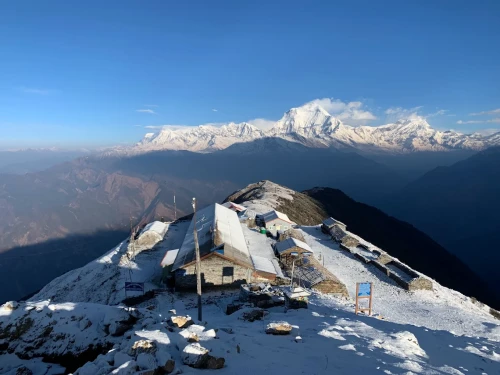
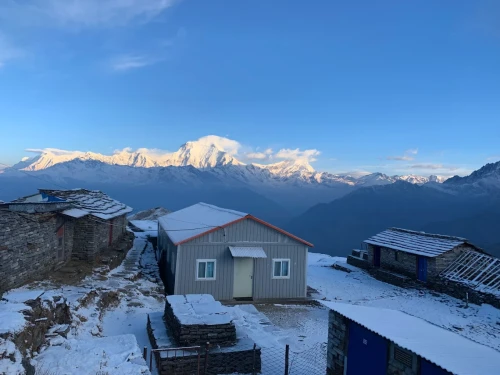
The Khopra Ridge Community Lodge is a true highlight, run by local families with incredible mountain views from the dining room, warm hospitality, and hearty home-cooked food.
Food & Nutrition on the Trek
All trek meals are full-board (included in the package). Teahouse menus are simple but surprisingly varied and the food is freshly prepared by local families.
- Dal Bhat Tarkari: Lentil soup, rice, vegetable curry, and pickle. This is the ultimate trekking fuel and usually comes with free, bottomless refills.
- Local Favorites: Momos (steamed or fried dumplings), noodle soups, chowmein, and fried rice.
- Breakfast & Western Options: Pasta, omelettes, pancakes, porridge, and toast with eggs.
- Altitude Tip: Garlic soup is highly recommended to help your body adapt to the high altitude.
- Hot Drinks: Masala chai, ginger-lemon-honey tea, hot chocolate, and instant coffee.
- Khopra Community Lodge Special: Fresh yak cheese, millet bread, and traditional local Gurung dishes.
- Vegetarian and vegan options are consistently available on the entire route. Inform Trip Pokhara of any dietary requirements at the time of booking and we will brief the lodges in advance.
Altitude Sickness (AMS)
With a maximum altitude of 4,660 m at Khayer Lake, Acute Mountain Sickness (AMS) is a real but manageable risk. AMS symptoms include headache, nausea, dizziness, loss of appetite, and fatigue.
- Pace Yourself: Ascend gradually, the itinerary is specifically planned to give your body time to safely adapt to the height.
- Stay Hydrated: Drink 3 to 4 liters of water every day. Staying hydrated is your best defense against mountain sickness.
- Avoid Triggers: Steer clear of alcohol, sleeping pills, and overexerting yourself during the first two days of the trek.
- Speak Up Early: Tell your guide immediately if you start feeling any symptoms. Catching things early is critical.
- Medical Prep: Consider talking to your doctor before the trip about taking Diamox as a preventative measure.
- The Golden Rule: If symptoms become severe, heading down to a lower altitude is the only definitive cure. Your guide is fully trained to handle this safely.
Emergency Evacuation
Trip Pokhara guides carry emergency communication equipment. In the event of a medical emergency requiring helicopter evacuation, your guide will coordinate directly with Pokhara hospital and evacuation services. Travel insurance covering emergency evacuation to 5,000 m is mandatory, without it, helicopter rescue can cost USD 2,000–5,000+.
The Khopra Danda Trek connects perfectly with several other popular routes in the Annapurna region. Ask Trip Pokhara about combining your trek for a longer Nepal adventure:
|
Combination / Extension |
Add-on Days |
Why Add It? |
|
+3 days |
Add Nepal’s most famous sunrise viewpoint. Connects via Tadapani. |
|
|
+5–7 days |
Extend to the glacier amphitheatre of Annapurna I (4,130 m). |
|
|
+1 day |
Cultural immersion in the largest Gurung village in Nepal. |
|
|
+2–3 days |
Add a sacred pilgrimage site and the dramatic Mustang gateway. |
|
|
+1–2 days |
Fewa Lake, Davis Falls, Sarangkot sunrise, paragliding. |
The Khopra Danda Trek is built on a community-based tourism model, a model that Trip Pokhara is proud to actively support. Here is how you can trek responsibly:
- Support the Community: Stay in community lodges, your accommodation fees go directly into the hands of local Gurung families.
- Reduce Plastic Waste: Carry a reusable water bottle. Purified water is provided, helping to keep single-use plastics off Nepal's beautiful trails.
- Leave No Trace: Pack out all your trash and waste to keep the trails and campsites clean.
- Respect Sacred Sites: Always walk clockwise around mani walls (prayer walls) and stupas, and remember to remove your shoes before entering temples.
- Dress Modestly: Wear conservative clothing when passing through local villages to show respect for traditional customs.
- Shop Locally: Buy your snacks, souvenirs, and handmade crafts directly from village shops instead of major city stores.
- Fair Tipping: Tip your guide and porter fairly, they work incredibly hard and are the backbone of the trekking industry.
Ready to Trek Khopra Danda? Book with Trip Pokhara Today
The Khopra Danda Trek is Nepal's finest off-beaten-path adventure, seven days of rhododendron forests, sacred alpine lakes, ridge-top sunrises, and genuine Himalayan hospitality. No crowds. No rush. Just you, the mountains, and an unforgettable journey.
Off-beaten-path & crowd-free | Expert local guides | Community-based tourism | All-inclusive USD 565
FAQs
The Khopra Danda Trek is considered a moderate-level trek. There are no technical climbing sections, and the altitude is manageable (maximum around 3,660m at Khopra Danda and 4,660m if you hike to Khayar Lake).
However, trekkers should be prepared for:
- 5–7 hours of walking per day on steep and sometimes rocky terrain.
- Gradual ascents and descents through forest trails.
- Cold temperatures at higher elevations (especially in winter).
If you have a reasonable fitness level, previous trekking experience isn’t required. Still, light physical preparation like hiking, cycling, or stair climbing 2–3 weeks before your trek helps a lot.
Accommodation on the Khopra Danda Trek ranges from basic teahouses to community lodges. Unlike the Annapurna Base Camp trail, facilities are simpler but still cozy and authentic.
Here’s what to expect:
- Rooms: Twin-sharing wooden rooms with simple beds and blankets.
- Bathrooms: Shared toilets (mostly squat-style, though some western toilets are available).
- Electricity: Available in most lodges; some may charge a small fee for charging devices.
- Wi-Fi: Patchy and limited — available only in lower villages.
- Khopra Ridge Community Lodge: Run by local villagers, offering great food, warmth, and amazing sunrise/sunset views over the Himalayas.
It’s a chance to experience true Nepalese village hospitality in the mountains.
While it’s possible to trek independently, hiring a licensed guide is highly recommended for safety, local insights, and navigation especially since parts of the trail (like Dobato to Chistibung) can be confusing.
A guide enhances your experience by:
- Managing logistics (permits, lodges, food).
- Providing cultural context and translating local language.
- Ensuring your safety on lesser-marked routes.
A porter can carry up to 20–25 kg of luggage, allowing you to trek light and enjoy the journey comfortably.
If you trek with a registered company like Trip Pokhara, both guide and porter arrangements are handled for you ensuring a smooth, worry-free adventure.
The Khopra Danda Trek is full of incredible highlights that make it stand out:
- Panoramic mountain views of Annapurna South, Dhaulagiri, Nilgiri, and Machhapuchhre.
- Khayar Lake (4,660m) — a sacred pilgrimage site with stunning reflections of the surrounding peaks.
- Community-based tourism — local people directly benefit from your stay, making your trek socially sustainable.
- Less-crowded trails, unlike the busier ABC or EBC treks.
- Cultural immersion in Gurung and Magar villages, traditional meals, and warm hospitality.
- Wildlife and forests — you might spot Himalayan Thars, Danphe (Nepal’s national bird), and rhododendron forests in full bloom during spring.
Two permits are required: the Annapurna Conservation Area Permit (ACAP) at NPR 3,000 (~USD 25) and the TIMS Card at NPR 2,000 (~USD 15). Both are included in the Trip Pokhara package price and arranged on your behalf.
The best seasons are autumn (September–November) and spring (March–May). Autumn offers the clearest skies and most stable weather. Spring brings the famous rhododendron blooms. Winter is possible for experienced cold-weather trekkers, but Khayer Lake may be inaccessible. Monsoon (June–August) is generally not recommended.
You’ll enjoy a variety of traditional Nepalese and basic Western meals along the Khopra Danda Trek.
Common meals include:
- Dal Bhat Tarkari (rice, lentil soup, and curry) — the best energy food for trekkers!
- Momos (dumplings) and noodles
- Pasta, fried rice, soups, and pancakes
- Tea, coffee, hot chocolate, and ginger lemon honey for warmth
Vegetarian options are widely available. The Khopra Community Lodge also serves delicious local dishes like yak cheese and millet bread.
Food is simple but hearty you’ll never go hungry on the trail!
The Khopra Danda Trek is perfect if you want authenticity, fewer crowds, and incredible views all in a moderate timeframe.
Compared to popular routes:
- Less crowded than Annapurna Base Camp or Poon Hill.
- More cultural exposure with community lodges and local lifestyle.
- Equal (or even better) Himalayan views of Dhaulagiri and Annapurna ranges.
- Ideal for photographers who want sunrise and sunset shots away from the masses.
- Sustainable tourism model — your stay directly supports rural communities.
In short: it’s the best off-the-beaten-path trek for those wanting a peaceful, rewarding, and culturally rich Himalayan experience.
The Khopra Danda Trek is rated moderate, making it suitable for reasonably fit beginners. No prior trekking experience is required, but you should be comfortable walking 5–8 hours per day on hilly terrain. The Khayer Lake day hike (Day 5) is the most demanding section, if you are a first-time trekker, inform Trip Pokhara so we can adjust the pace accordingly.
Khopra Danda and ABC share similar mountain backdrops but are very different experiences. Khopra Danda is shorter (7 days vs 10+ days), less crowded, more community-focused, and reaches a lower altitude (4,660 m vs 4,130 m at ABC, with higher surrounding peaks). Many trekkers describe Khopra Danda as offering equally spectacular views with a far more peaceful and authentic atmosphere.
Khayer Lake (4,660 m) is a sacred glacial lake in the Annapurna Conservation Area, venerated by both Hindus and Buddhists. Pilgrims believe that bathing in the lake's waters brings spiritual merit and even enlightenment. For trekkers, it offers one of the highest and most dramatic viewpoints of the Annapurna and Dhaulagiri massifs accessible without technical climbing equipment.
While the main trail is marked, sections between Dobato and Chistibang can be difficult to navigate without local knowledge. A government-licensed guide from Trip Pokhara is strongly recommended for safety, navigation, and to enrich your cultural experience. Guides also manage logistics, permits, lodges, and daily pace, so you can focus entirely on the adventure.
At the maximum altitude of 4,660 m (Khayer Lake day hike), mild AMS symptoms are possible. The itinerary is designed to allow gradual acclimatisation. Staying hydrated, ascending slowly, and communicating openly with your guide significantly reduces the risk. Consult your doctor about Diamox before travel. AMS is less common on this route than on the Everest or Annapurna Circuit treks.
It is technically possible to trek independently, but not recommended for first-time visitors due to trail navigation challenges, language barriers at remote lodges, and altitude safety risks. Trekking with a licensed guide from Trip Pokhara ensures a safer, richer, and more rewarding experience.
The standard Trip Pokhara package is priced at USD 565 per person (for a group of 2+). This is an all-inclusive price covering guide, porter, all accommodation, all meals, permits, and transport. Solo travellers may attract a small supplement. Contact Trip Pokhara for a custom group quote.
Similar trips
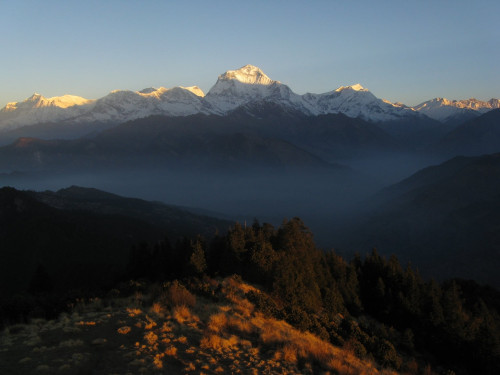
Ghorepani Poon Hill Trek - 2 Nights / 3 Days

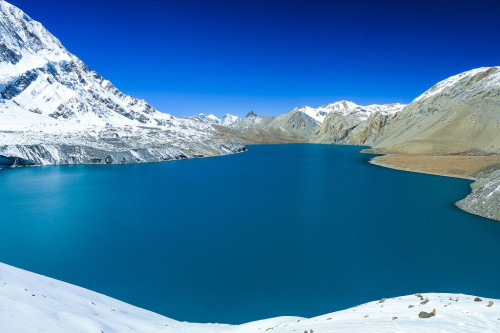
Tilicho Lake Trek- 6 Days for Himalayan Escape
US$ 550
5 days
Annapurna Region Trek
Moderate